

What’s the Core Difference Between Assisted Living and Nursing Homes?
Assisted living and nursing homes both provide support for older adults who need help with daily tasks, but the level and scope of care distinguish the two. Assisted living facilities are designed for those who can live somewhat independently but benefit from personal care, while nursing homes offer round-the-clock medical supervision for those with more serious health needs.
In Arnold, families often start by evaluating how much care their loved one requires, as this will often determine which type of setting is most appropriate.
Who Is a Good Fit for Assisted Living?
Assisted living is best for adults who are mostly independent but appreciate a little daily support. Residents typically have their own apartments or rooms and receive help with meals, housekeeping, medication reminders, personal hygiene, and transportation.
Common signs someone may benefit from assisted living in the city:
- Difficulty with activities like bathing, dressing, or meal preparation
- Feeling isolated and wanting social engagement
- Needing reminders for medication but not 24/7 nursing care
- Valuing privacy but desiring peace of mind and security
This option provides flexibility and fosters social interaction. In communities around Arnold, seasonal changes—like icy winters or hot summers—can make day-to-day errands or home maintenance tougher for seniors, highlighting the convenience of on-site services and communal support.
Who Needs a Nursing Home Instead?
Nursing homes are tailored for individuals with greater medical or mobility needs. Residents may need help with every aspect of daily life due to chronic illness, advanced age, physical disability, or recent surgery.
Nursing homes have licensed nurses available at all times and can manage:
- Medical monitoring such as feeding tubes or IVs
- Complex wound care
- Mobility restraints or total help getting in and out of bed
- Recovering from serious injuries or strokes
In the local context, those recovering from hospital stays at local medical centers might temporarily need the comprehensive support that only a nursing facility offers.
What Level of Medical Support Does Each Provide?
The main distinction is medical care depth. Assisted living offers intermittent health-related support, mostly revolving around wellness checks and medication management. Medical staff are usually on-call but not present round-the-clock.
Nursing homes, in contrast, function almost like a residential hospital. Staff include registered nurses, licensed practical nurses, and sometimes physicians or specialists. They administer medications, perform medical procedures, and are equipped to respond quickly to health emergencies whether it happens day or night.
For local households, this means making decisions not just about current needs but planning for potential health shifts, especially during seasons where respiratory illnesses or falls are more common.
How Are Social and Lifestyle Choices Different?
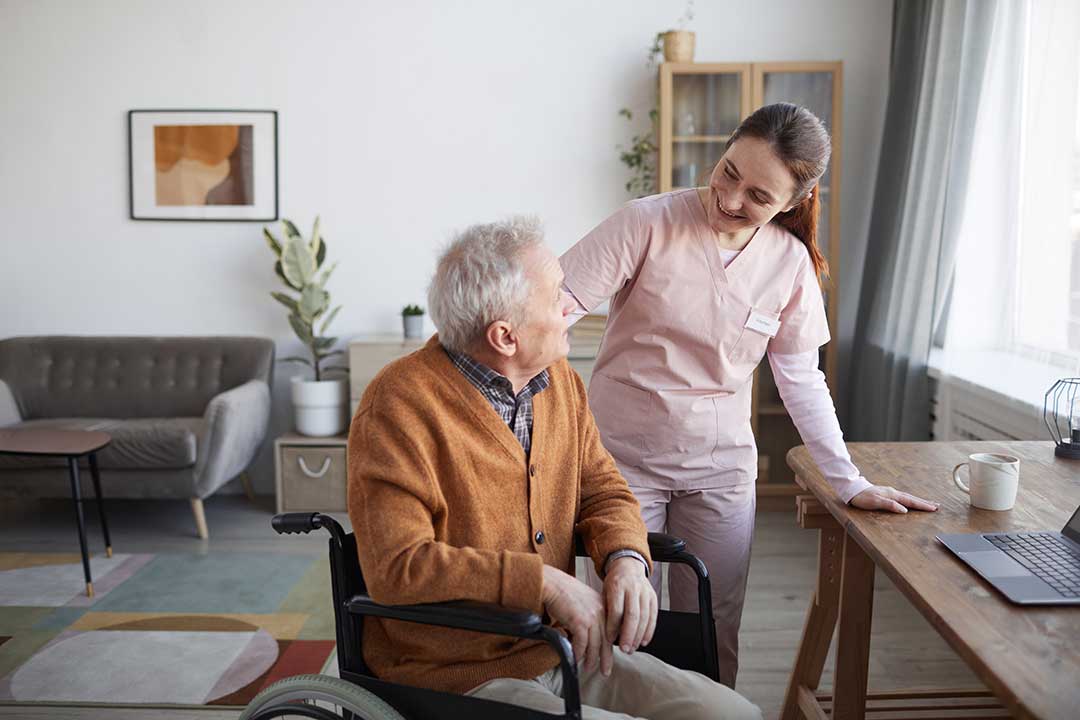
Assisted living emphasizes independence and a sense of home. Residents participate in community events, local outings, and hobby groups while being free to furnish and decorate their living spaces. The focus is on personal choice, privacy, and flexibility.
Nursing homes offer less independence due to higher medical oversight. Social activities and events still occur but are adapted for those with more limited mobility or cognitive function. Mealtimes, daily schedules, and personal routines tend to be more structured to ensure safety and health.
In the area, this can mean that assisted living residents might still be able to join community groups or neighborhood gatherings, while nursing home residents typically remain on-site and receive visitors instead.
How Do Costs and Payment Options Compare?
Generally, assisted living is less expensive than nursing home care, reflecting the lower level of medical staff and intervention. In Arnold, costs vary by the amount of help needed, apartment size, and amenities included.
Nursing home care is more costly due to 24/7 nursing supervision and specialized healthcare options. Private pay is common for both, but once a resident’s funds run low, Medicaid may be available to cover nursing home costs for eligible individuals.
Medicare, a frequent area of confusion for local residents, usually does not pay for long-term stays in either type of setting but might cover short-term rehabilitation in a nursing home after a hospital stay.
What Are Common Misconceptions Locally?
Many believe assisted living always includes skilled nursing, but this is not the case—those with significant medical requirements might not qualify for assisted living. Another misconception is that nursing homes are only for end-of-life care; actually, many are also geared toward rehabilitation or temporary stays after injury or illness.
In Arnold’s neighborhoods, some families assume aging in place is always preferable. While staying at home can be ideal for some, the region’s weather and transportation challenges—like snowy roads or limited bus service—sometimes make community living both safer and more social.
How Should Families Decide Which Is Right?
Start by assessing the type and frequency of help the person requires. A family member who mostly needs reassurance, minor help around the house, and opportunities for company may thrive in assisted living. If daily life depends on continuous medical care or management of complex conditions, a nursing home is the safer, more appropriate option.
Consultation with a licensed healthcare provider can clarify the level of care needed before moving forward. In the city, families sometimes arrange short-term respite stays or tour multiple facilities to see what feels most comfortable and supportive for their loved one.
What Other Factors Matter for Local Residents?
Consider proximity to friends, family, and familiar places—especially during Pennsylvania's varied seasons, which can affect visitation and accessibility. Also, think about how well staff communicate and whether the environment feels welcoming and personalized.
Some families look for settings that align with lifelong interests, offer access to outdoor areas for safe walks, or organize trips to local events. Carefully reading care plans and asking about emergency procedures can help set expectations and ensure peace of mind for all involved.
