
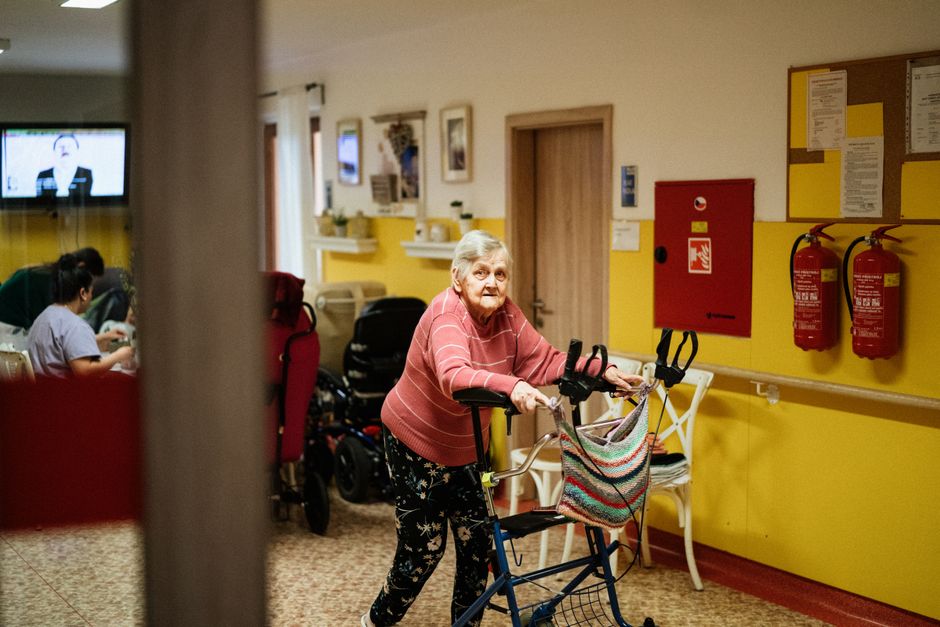
Assisted living is often misunderstood as giving up independence. In practice, it can help older adults remain active, make personal choices, and continue living with greater confidence by providing support with tasks that have become difficult or unsafe.
For residents and families in Arnold, PA, the most useful question is not simply whether someone needs help. It is whether the right amount of help could make daily life safer and more manageable without taking away control.
What does independence mean in assisted living?
Independence means having a meaningful say in daily life, even when assistance is needed. A person may no longer manage every household task alone but can still choose what to wear, when to wake up, which activities to attend, and how to spend time with friends and family.
Assisted living generally combines private or semi-private living space with help tailored to individual needs. Support may include:
- Bathing, dressing, grooming, or toileting
- Medication reminders or medication assistance
- Meals and hydration
- Housekeeping and laundry
- Transportation or help getting to appointments
- Mobility support and fall-prevention routines
- Social activities and opportunities for exercise
The purpose is not to make every resident follow the same schedule. A well-matched setting should provide structure where it helps while preserving personal preferences wherever possible.
How can assistance actually increase freedom?
Some daily tasks consume so much energy that a person has less time or confidence for the activities they enjoy. Help with laundry, cooking, or medication organization may allow a resident to focus on hobbies, conversations, reading, religious practices, or time outdoors.
For example, an older adult who struggles to prepare meals may avoid eating regularly or depend heavily on family members. Access to prepared meals can support better nutrition while allowing that person to choose what and when to eat from available options.
Similarly, help with bathing may reduce the fear of slipping. The resident is still participating in personal care, but assistance is available for the portions that create the greatest risk.
Independence is often strengthened when support prevents a small challenge from becoming a major setback.
Does assisted living take away personal choice?
It should not. Residents typically retain control over many decisions, including clothing, personal belongings, visitors, preferred routines, and participation in activities.
Families sometimes assume that moving into assisted living means losing all flexibility. In reality, the amount of choice depends on the residence, the individual’s care needs, and the clarity of the service agreement. Before a move, it is reasonable to ask:
- Can residents choose their wake-up and bedtime routines?
- Are meals offered at flexible times?
- Can residents furnish their living space with familiar items?
- How are care preferences documented?
- What happens if needs change?
- Are residents allowed to decline activities?
- How are privacy and visitors handled?
These questions help distinguish supportive care from an overly restrictive routine.
How does assisted living support safe mobility?
Maintaining mobility is closely connected to independence. A person who feels unsteady may stop walking, shopping, visiting others, or using the stairs. Reduced activity can then lead to weakness and greater dependence.
Assisted living may support mobility through accessible layouts, handrails, elevators, well-lit walkways, seating areas, and staff assistance when needed. Some settings also provide exercise programs focused on strength, balance, stretching, or walking.
Support should be based on the resident’s abilities rather than automatically doing every task for them. If someone can safely walk with a cane, staff may encourage that ability instead of routinely using a wheelchair. Preserving safe movement helps maintain confidence and physical function.
Seasonal conditions also matter in western Pennsylvania. Cold temperatures, snow, ice, wet entryways, and shorter daylight hours can make outdoor movement more challenging. A supportive environment can reduce exposure to these hazards while still offering indoor opportunities for walking and activity.
Can assisted living help with medication management?
Yes. Medication support can reduce one of the most common causes of avoidable health problems among older adults: missed, duplicated, or incorrectly timed doses.
Depending on the resident’s needs and applicable rules, assistance may involve reminders, organized medication administration, observation, or coordination with a prescribing clinician and pharmacy. The exact level of support should be clearly explained before move-in.
Medication assistance can also protect independence by reducing the mental burden of managing several prescriptions. Residents may remain involved by understanding what they take, asking questions, and reporting side effects or changes in how they feel.
A medication system should not replace communication. Residents and families should know how changes in prescriptions, hospital visits, missed doses, and refills are handled.
How does social connection affect independence?
Social connection is not separate from independence. People who remain engaged often have more motivation to move, eat regularly, maintain routines, and seek help when something changes.
Assisted living may offer shared meals, conversation areas, games, crafts, music, educational programs, celebrations, and outdoor or indoor activities. Participation should remain voluntary. A resident may prefer a quiet afternoon, a small conversation, or a familiar hobby rather than a large group event.
The most helpful activities are those that reflect actual interests and abilities. Someone who dislikes competitive games may enjoy gardening, storytelling, puzzles, music, or helping with a simple communal task.
Regular contact with relatives also matters. Visits, phone calls, video conversations, and shared meals can help a resident maintain identity and relationships beyond the care setting.
What role do families play?
Families can support independence by listening to the older adult’s preferences instead of making every decision on their behalf. A move is more likely to succeed when the resident is involved in choosing belongings, discussing routines, and identifying what kind of help feels comfortable.
Family members can also provide useful background information, such as:
- Normal sleep and eating patterns
- Favorite foods and activities
- Important cultural or religious practices
- Previous falls or medication concerns
- Signs of confusion, pain, sadness, or withdrawal
- Preferred ways to communicate
The goal is shared understanding, not constant supervision. Families should remain alert to changes but also allow the resident room to build new routines and relationships.
How can someone tell whether assisted living is supporting independence?
Signs of effective support include the resident making choices, participating in daily routines, maintaining familiar interests, and receiving help without unnecessary restrictions. The person may still need assistance, but should not appear routinely ignored, overmanaged, or discouraged from doing safe tasks independently.
Needs can change over time. A resident may require more help after an illness and later regain some abilities. Care plans should be reviewed when there are changes in mobility, memory, medication, mood, nutrition, or personal care.
Assisted living is most supportive when it matches help to actual needs. The right arrangement does not eliminate every challenge. It creates enough safety and assistance for a person to continue making choices, building relationships, and taking part in everyday life.
