
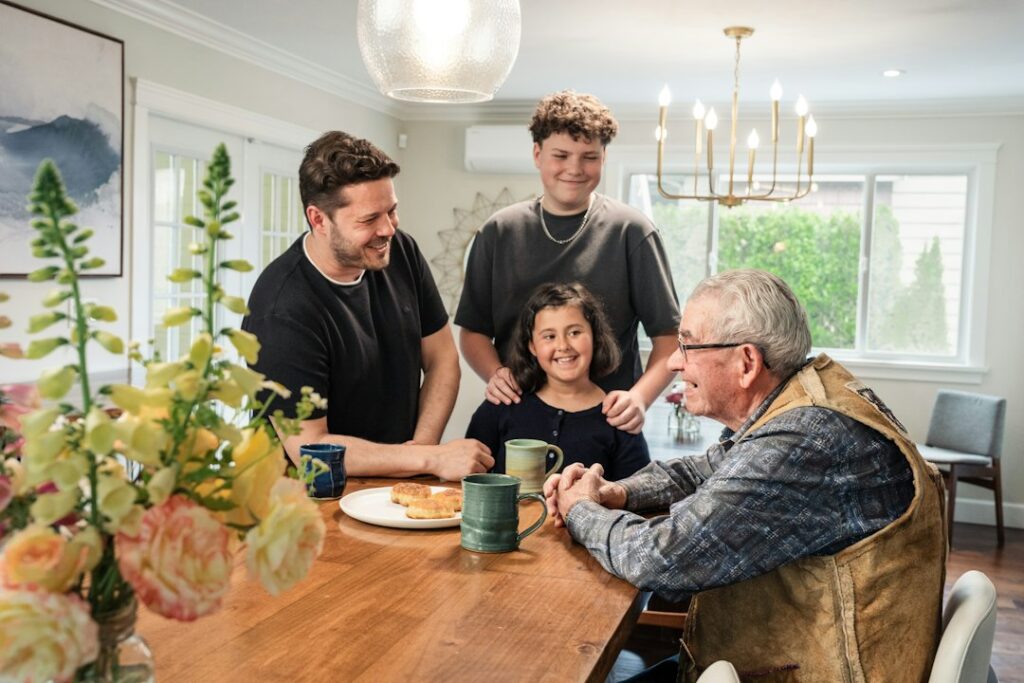
Assisted living can provide older adults with a safer, more manageable daily routine while preserving personal choice and independence. For residents and families in Arnold, PA, the right setting may offer help with everyday tasks, medication routines, meals, transportation, and social connection without requiring the level of care associated with a nursing facility.
What does assisted living provide?
Assisted living is designed for people who can no longer manage every part of daily life safely or comfortably on their own but do not need continuous skilled nursing care. Support is usually tailored to the individual rather than delivered in the same way to every resident.
Depending on the setting and care plan, assistance may include:
- Bathing, dressing, grooming, or using the restroom
- Medication reminders or medication management
- Meals and help with special dietary needs
- Housekeeping, laundry, and changing bed linens
- Mobility support and help transferring between surfaces
- Transportation to appointments, shopping, or community activities
- Organized social, recreational, and wellness programs
- Emergency response systems and staff availability
The goal is not to take over a person’s life. It is to reduce the tasks that have become difficult or unsafe so the resident can spend more energy on preferred routines, relationships, and activities.
How can assisted living improve safety?
Safety is one of the clearest benefits, especially when a person has experienced falls, missed medications, confusion, or difficulty responding to emergencies. A supportive environment can reduce hazards that may be easy to overlook in a private home.
Staff may be available to help with walking, bathing, nighttime needs, and changes in health. Shared living areas are generally arranged to make movement easier, and emergency response procedures are part of the community’s operations.
For households in Arnold, seasonal conditions may also affect safety planning. Snow, ice, wet entryways, and reduced daylight can make outdoor walking and transportation more challenging. An assisted living setting may reduce the need for an older adult to manage those conditions alone, although families should still ask how the residence handles winter weather, power interruptions, heating concerns, and emergency transportation.
Assisted living does not eliminate all risks. Families should ask specific questions about fall prevention, staff availability overnight, emergency response, evacuation procedures, and how quickly changes in health are communicated.
Does assisted living help seniors remain independent?
Yes. Assisted living can support independence by providing help with selected tasks while allowing residents to make choices about the parts of life they can still manage.
A resident may choose when to wake up, what clothing to wear, which activities to attend, and how to spend free time. Assistance with laundry or medication organization may make it possible to continue other routines independently.
Independence does not always mean living alone or doing every task without help. For many older adults, independence means having control over decisions, privacy, personal belongings, friendships, and daily preferences. Support can sometimes preserve that control longer than struggling without assistance.
Why are meals and nutrition important benefits?
Regular meals can improve energy, medication tolerance, hydration, and overall health. Older adults living alone may skip meals, rely on a narrow range of foods, or have difficulty shopping and cooking safely.
Assisted living commonly provides scheduled meals and snacks, along with dining support when needed. Families should ask how dietary preferences, food allergies, diabetes, swallowing concerns, and cultural or religious food practices are handled.
Mealtimes can also provide regular social contact. Eating with others may help reduce isolation and create a predictable rhythm to the day. If a resident begins eating less, loses weight, or has difficulty swallowing, the care team should be informed promptly.
Can assisted living reduce loneliness?
Assisted living can make social connection easier because residents share common spaces and have opportunities to participate in activities. This may be especially helpful for someone whose social circle has become smaller because of driving limitations, bereavement, mobility concerns, or health changes.
Activities may include exercise, crafts, games, music, discussion groups, religious observance, outdoor time, and celebrations. Participation should remain voluntary. A quiet resident may prefer one-on-one conversation, reading, or a small group rather than large events.
Families can also ask whether residents are encouraged to maintain relationships outside the residence. Visits, phone calls, video conversations, and familiar personal belongings can help a new setting feel more comfortable.
How can assisted living help family caregivers?
Assisted living may reduce the physical and emotional strain placed on family members. Relatives often spend significant time coordinating medications, preparing meals, managing transportation, handling household chores, and responding to urgent concerns.
Moving some of those responsibilities into a structured setting can allow family visits to focus more on companionship instead of task management. It may also reduce disagreements that occur when an older adult needs help but resists assistance from a relative.
Family involvement remains valuable. Relatives can help staff understand the resident’s history, preferences, communication style, routines, and warning signs. They should also remain aware of care changes, medical appointments, financial arrangements, and the resident’s legal preferences.
When might assisted living be a reasonable option?
Assisted living may be worth considering when daily challenges are becoming frequent, but the person does not appear to need continuous nursing care. Common signs include:
- Repeated falls or near-falls
- Missed or incorrectly taken medications
- Difficulty preparing meals or maintaining nutrition
- Increasing problems with bathing, dressing, or toileting
- Unsafe driving or missed appointments
- Household conditions that are becoming difficult to maintain
- Frequent calls for help during evenings or overnight
- Increased confusion, wandering, or inability to respond to emergencies
- Family caregivers experiencing exhaustion or health problems

A single incident does not automatically mean a move is necessary. A pattern of problems, worsening safety, or growing caregiver strain may provide a clearer reason to evaluate options.
What should families ask before choosing a setting?
The most useful questions focus on actual daily care rather than appearance alone. Families should ask:
- What assistance is included, and what creates an additional charge?
- How are care needs assessed and updated?
- Is staff available overnight and during emergencies?
- What happens if memory loss, mobility needs, or medical needs increase?
- How are medications stored, administered, and reviewed?
- Are residents allowed to furnish rooms with familiar belongings?
- How are meals, transportation, activities, and visitors handled?
- What is the process for responding to falls or sudden illness?
- How are families notified about health or behavior changes?
- What happens if the resident later needs a different level of care?
A visit at different times of day can reveal more than a single scheduled tour. Families may notice whether residents appear engaged, whether staff respond respectfully, and whether the atmosphere is active, quiet, crowded, or rushed.
How can a senior prepare for the transition?
Preparation is easier when the older adult is included early. Discussions should focus on specific needs and preferences rather than presenting assisted living as a punishment or loss of control.
Helpful steps include reviewing medications, listing daily routines, identifying meaningful possessions, discussing food preferences, and deciding which personal tasks the resident wants to continue doing. It may also help to create a short personal profile describing hobbies, past work, family relationships, communication preferences, and signs of distress.
The adjustment period varies. Some residents settle in quickly, while others need time to learn schedules, meet neighbors, and become comfortable accepting help. Regular visits and familiar routines can make the transition less disruptive.
Assisted living is not appropriate for every situation, but it can offer a practical middle ground between managing alone and receiving skilled nursing care. The most suitable arrangement is one that matches the person’s current abilities, safety needs, preferences, budget, and likely changes in health.
